CSS (Cascading Style Sheets) is een taal waarmee je de stijl en lay-out van pagina’s kunt beheren. Het bepaalt hoe een pagina eruitziet, inclusief kleuren, lettertypes, marges en positionering. CSS werkt samen met HTML om een visueel aantrekkelijke en functionele site te creëren. In de wereld van design is CSS (Cascading Style Sheets) een zeer belangrijke technologie. Maar wat is het precies en waarom is het zo belangrijk? In dit artikel gaan we dieper in op de wondere wereld van CSS.
Belangrijke betekenis in css Wat is CSS? CSS staat voor Cascading Style Sheets. CSS beschrijft hoe HTML elementen moeten worden weergegeven op het scherm. Met HTML kan je elementen (HTML tags) van een site structureren, zoals het invoegen van hoofdstukken, paragrafen, video’s en afbeeldingen.
Css belangrijk
Wat is CSS? CSS staat voor Cascading Style Sheets. CSS beschrijft hoe HTML elementen moeten worden weergegeven op het scherm. Met HTML kan je elementen (HTML tags) van een site structureren, zoals het invoegen van hoofdstukken, paragrafen, video’s en afbeeldingen. CSS (Cascading Style Sheets) is a language used to style and layout pages. It is an integral part of the development process, as it allows developers to control the look and feel of a site, making it more visually appealing and user-friendly.
Css belangrijk CSS stands for Cascading Style Sheets, and it’s used to add style to a page by dictating how a site is displayed on a browser. CSS is unique in that it doesn’t create any new elements, like HTML or JavaScript. Instead, it’s a language used to style HTML elements.
Css prioriteit
Inline css (html style attribute) overrides css rules in style tag and css file. A more specific selector takes precedence over a less specific one. Rules that appear later in the code override earlier rules if both have the same specificity. Here, we have added a class selector (named "test"), and specified a green color for this class. Result: The text will be green (even though we have specified a red color for the element selector "p"). This is because the class selector has higher priority: Try it Yourself» Now, look at example 3.
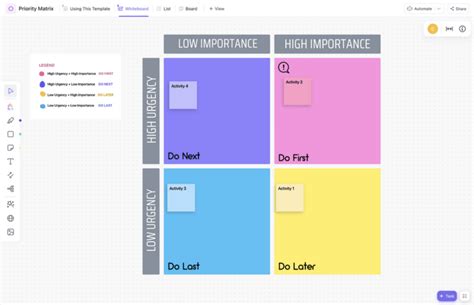
Css prioriteit CSS Precedence refers to the set of rules that determines which styles take priority when multiple styles are applied to the same element in a page. Imagine you have a page with different CSS styles applied to various elements like headings, paragraphs, and buttons.
Css specificiteit
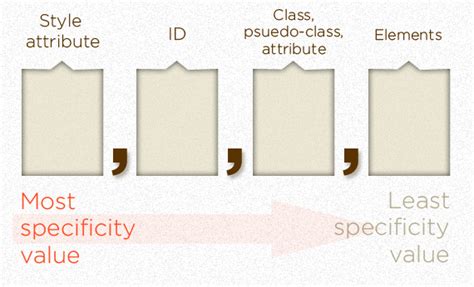
Specificity is an algorithm that calculates the weight that is applied to a given CSS declaration. The weight is determined by the number of selectors of each weight category in the selector matching the element (or pseudo-element). Think of specificity as a hierarchy that determines which style declaration is ultimately applied to an element. Look at the following examples: Here, we have used the "p" element as selector, and specified a red color for this element. Result: The text will be red: Try it Yourself» Now, look at example 2.
Css specificiteit A visual way to understand CSS specificity. Change the selectors or paste in your own.
Css !important
Learn how to use the!important rule in CSS to override other styling rules for a specific property on an element. See examples, tips and warnings about the pros and cons of using!important. A! delimiter followed by the important keyword marks the declaration as important. The!important flag alters the rules selecting declarations inside the cascade. A declaration that is not important is called normal.
Css !important The!important rule is a way to make your CSS cascade but also have the rules you feel are most crucial always be applied. A rule that has the!important property will always be applied no matter where that rule appears in the CSS document.